
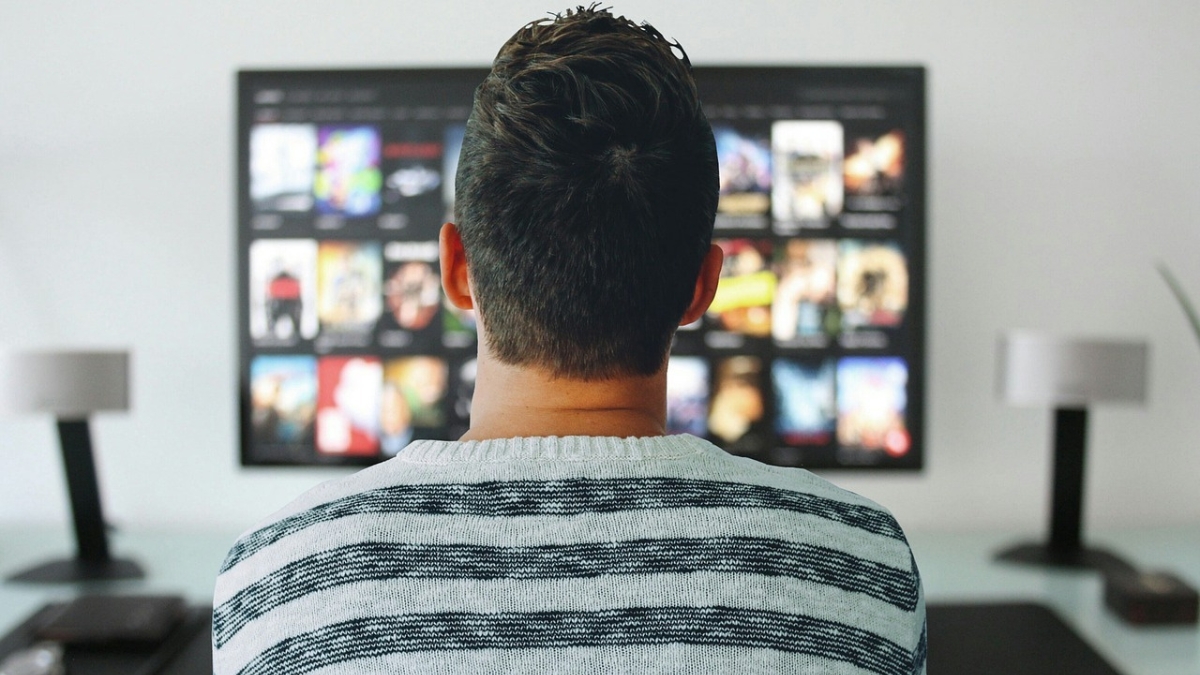
Crossovers between television and gaming used to feel like experiments. Now they feel like a strategy. Viewers are no longer tied to one screen, they watch while they play. They play while they stream. When these habits overlap, a TV-gaming partnership becomes more than a marketing idea. It becomes a way to reach millions of people who move between formats without even thinking about it.
The rise of franchise universes makes this even more powerful. A show doesn’t need to stand alone anymore. It can feed into a game update, a character reveal, or a world-building drop. When television meets gaming at the right moment, audiences don’t just consume. They follow, revisit, and share.
Why TV + Gaming Partnerships Work So Well
One of the reasons these collaborations travel so far is that gaming already has a built-in global movement. People discover new titles from streamers, social clips, or even gameplay animations shown during broadcasts. When TV producers tap into that cycle, it extends the life of their shows beyond the usual airing window.
You see this in the way fans interact with gaming-adjacent content. When people look for poker sites that allow crypto, many are following cues from streamers or TV moments that mention digital gaming trends. Bitcoin poker sites grow the same way. They offer fast play, quick transactions, and no banking delays, which fits the habits of viewers who jump between shows, clips, and games in short bursts. A single televised mention can turn a niche platform into a trending search because the audience already understands the rhythm behind it.
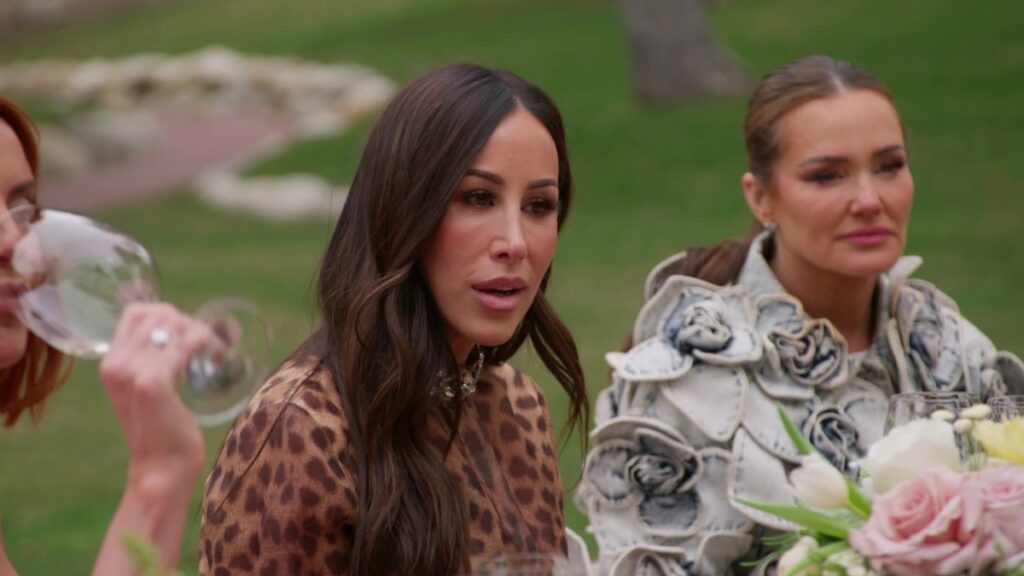
Television producers understand this now. When a show builds a character who feels “game-ready,” or when a reality series includes a competition with gaming-inspired challenges, it turns passive watching into active participation. Fans begin to map the show onto their own gaming habits. That keeps them engaged long after the credits roll.
How Streaming Platforms Shape the Strategy
A decade ago, a TV-gaming collaboration meant a brief cameo or a themed event. Today, streaming platforms can build multi-layered rollouts. A series premiere can sync with a live in-game event. A mid-season twist can align with a new level, new skin, or a character expansion. The season finale can land the same week as a gameplay update that answers questions the show raised.
This pacing works because streaming culture has trained audiences to expect continuation. When they finish an episode, they want something to do next. Gaming fills that space instantly. It gives viewers a second lane to follow, and when the game is updated in response to the show, it creates a feeling of shared experience.
Streaming platforms also benefit from the gaming world’s constant feedback loop. Viewers don’t just watch. They post reactions. They comment. They argue. They clip moments and share them. Gaming thrives on that energy, and when a TV partnership is designed around it, the result is a cycle that feeds itself.
Characters Travel Across Screens — And Audiences Follow
Television thrives on character attachment. Gaming thrives on character control. When those two meet, the result is unusually strong.
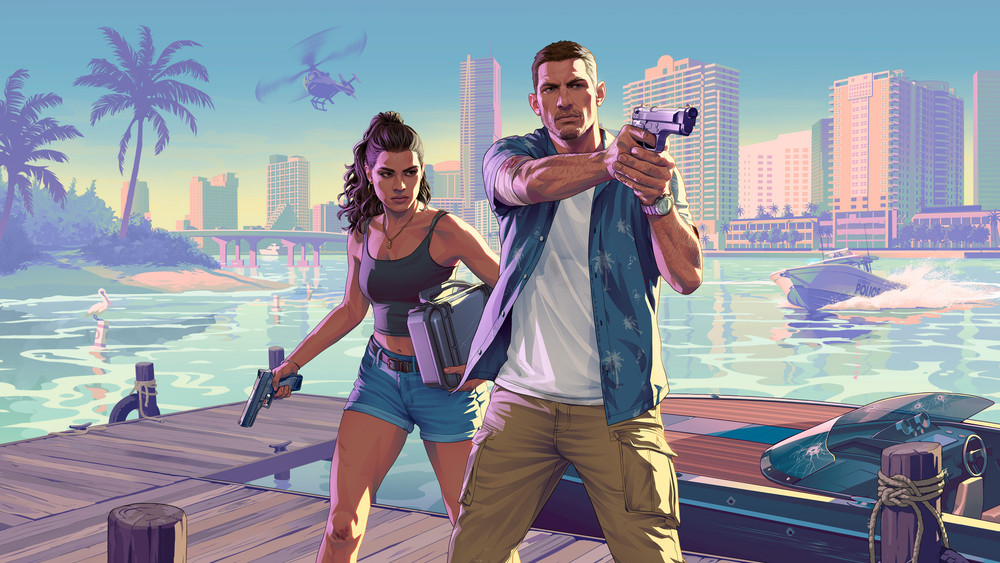
Audiences who fall in love with a character on TV want to see that character move. Fight. Interact. Exist in a world they can step into. That’s why major studios have started planning character arcs with cross-platform potential from day one. A compelling character can appear in a story-driven TV episode, a playable mission, a motion-capture teaser, a promo animation, or a behind-the-scenes training segment. All of these reinforce the same personality. Viewers feel like they know the character. Players feel like they control the character; the bond multiplies.
Gaming studios benefit as well. TV brings emotional volume, the kind that fuels a fandom. A single dramatic moment on a show can make an in-game item relevant for months. A rivalry from the script can turn into a top-ranked competitive matchup. Big personalities do a lot of heavy lifting.
Global Reach Depends on Accessibility, Not Just Hype
A partnership is only as strong as the access it provides. If viewers see a character on TV but can’t play the associated game in their region, the impact dies immediately. Global reach requires low barriers and fast onboarding. The same principle shows up in everyday digital habits. People constantly look for easier ways to watch movies online together because convenience determines whether a shared experience actually happens.
The gaming world has already tested these conditions. Crossplay, free-to-play models, and browser-based access opened the door for players who may not have the newest hardware or live in a supported market. When a TV collaboration uses those same approaches, the audience spreads globally.
For example, a series might feature a challenge inspired by a game. If the game requires a long installation, a credit card, or a full console setup, many international viewers drop off. But if the game loads instantly on mobile, millions more stay connected.
Television producers are slowly learning that accessibility isn’t a tech issue. It’s the foundation of reach. If the product viewers are being guided toward is locked behind unnecessary steps, the global audience collapses. The smoother the path, the farther the partnership travels.
