

The visualization of gambling on television has always fascinated viewers, starting with the mere spectacles of luck to the more advanced treatises about human character, tactics, and struggle. The shows are a cultural mirror that captures fascination with risk, luck, and the psychological games that are played at the high-stakes tables. This report looks at the top gambling-related television series and provides thematic and comparative analysis of how they hinge the narrative tension and character arcs around the core action of betting.
We will examine shows that glorify the lifestyle, shows that present its nasty underbelly, and others that use gambling as a metaphor regarding the twists in life. It tries to reveal the wide variety of perceptions that are evoked as a viewer watches these programs, whether it is the complex intellectual aspect of a poker face or the emotional wonder of a lucky streak, one that many hope to have when they play craps online or at a brick-and-mortar casino. Breaking apart the storytelling and visual techniques used, the present report will present a professional insight into why these are not only entertaining but also provide in-depth examinations of risk and reward.
The Fictional Gambler: From Glamour to Grime
Fiction stories have found a good footing in mining the richness of gambling to address their narrative interests, capitalizing on drama, high stakes, and the psychological realities of gambling. These programs show the full range of directions, between escapist fantasy and criminal realism. The decision to choose genre and center of narration usually determines whether the viewer is taken toward the glamorous and wonderful world of lights and glitz or the gloomy and depressing world of human desperation.
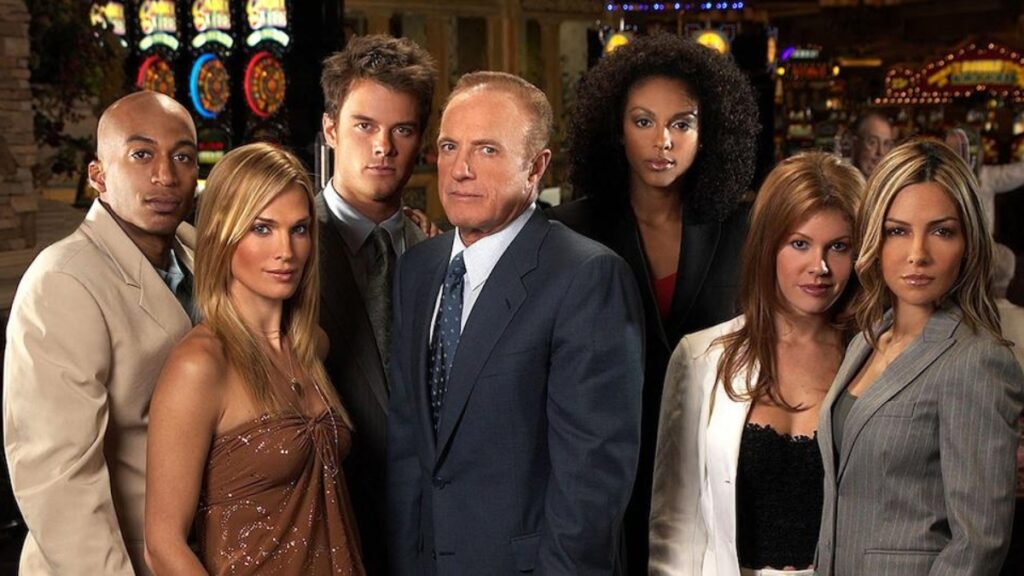
The Glitz and Grandeur of the Casino Floor
The television series Las Vegas (2003-2008) traps virtual viewers in an imaginary fantasy world, a hyper-stimulating casino environment where the virtual viewer experiences a utopian world of mystery, love, and pure drama. The casino has been utilized as a lively backdrop, and the storyline centres around its glamorous employees. The reality show Casino Confidential (2012), in its turn, claims to grant access to the backstage of a real casino and to give a look behind the curtain. Although positioning itself as a series on reality, the focus on the program around the phrase “extraordinary stories” would indicate a different emphasis on entertainment over an uncut look at the casino business. The two programs are both indicative of the realization that people are fascinated with the aura of the casino; they are fascinated by the image of the casino, regardless of whether they are dramatized/scripted or reality.
Gambling as a Metaphor for the Criminal Underworld
The most successful betting TV shows work beyond the games themselves, as the best metaphor to explain the themes of risk and moral compromise. Critically acclaimed crime shows such as AMC’s Breaking Bad and Netflix’s Ozark would be a good example. In Breaking Bad, strategic poker bluffs made by the protagonist, Walter White, reflect his character’s growing cleverness in the world of crime, and his money laundering slips through a clandestine ambling operation underlines the high-stakes games that he is involved in. On a similar note, the overarching plot point of Ozark is based on the investments in a riverboat casino, where money is laundered, which is always around in the form of a haunting reminder of the dangers of their crime syndicate.
Even the crime story Sneaky Pete is focused on this idea, as the main character is driven by the necessity to escape the dangers of the gambling debts. The most effective fictionalization of gambling manages to use the duality of the practice amongst the population, both glamorous and dangerous. Through this cinematic shorthand, these shows make a relatable and suspenseful story that makes the world of crime and deception tangible and thrilling to the viewer. Such an intelligent way lifts the genre above mere entertainment and indicates that the most compelling plot is not whether one will lose or win but what is actually at stake.
The Strategic and Psychological Game: A Deep Dive into the Mind
A second type of production goes deeper than the superficial drama level to tap the intellectual, psychological ,and emotional conflicts that are implicit to gambling. These are works that stand out due to their emphasis on strategy, discipline, and the underlying psychological tensions that inhabit the playing field of a professional gambler.
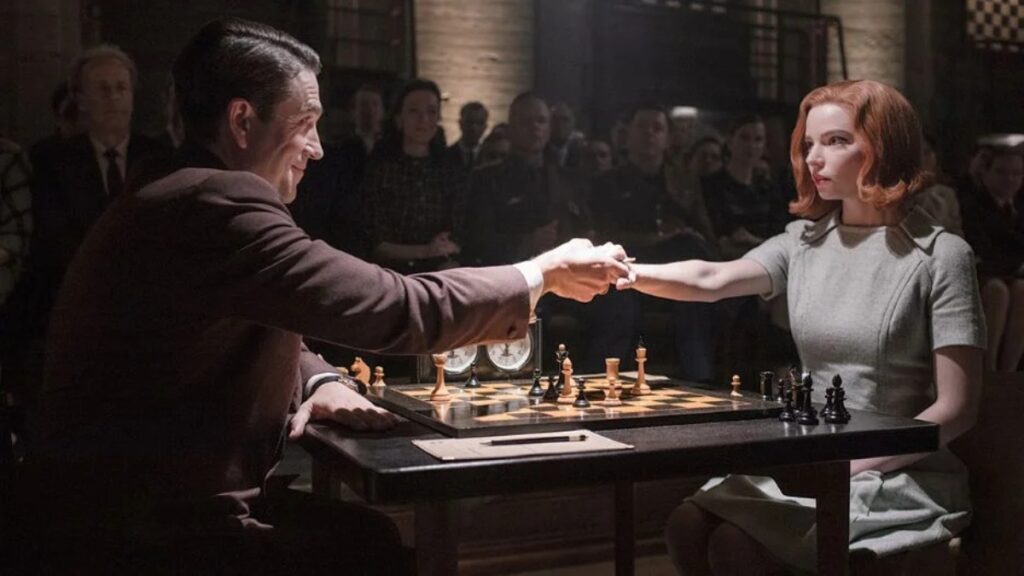
The Strategic Game: From Poker to Chess
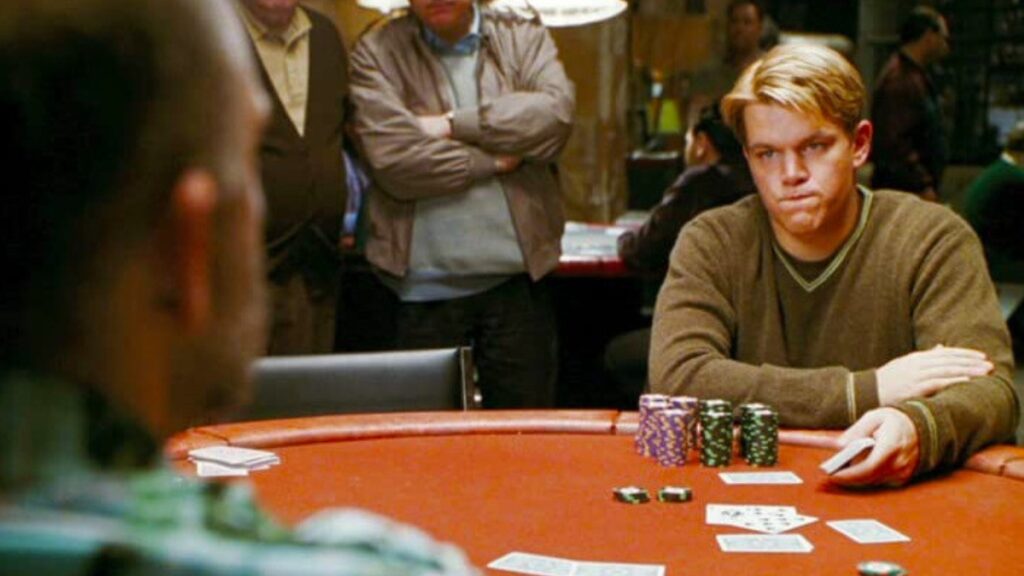
Rounders was the standout movie that transformed poker into more of a game of skill as opposed to a game of chance. Its popularity led to a “poker boom” and a legitimation of the intellectual aspects of a card game. This attention to strategy discipline can also be seen in the award-winning miniseries The Queen’s Gambit. The play is about a chess prodigy who becomes successful because of perseverance and workmanship, and not his talent alone. The myth of the born genius is destroyed in both the classic poker movie and in the story of the young chess prodigy by showing that victory in competitive games is a process of study and practice.
The Perils of Addiction: A Stark Reality Check
Classic movies such as the 1974 version of The Gambler with James Caan are credited with their realistic portrayal of gambling addiction. In contrast to works featuring glamorization of the high life, the work provides an in-depth exploration of the consequences, which include the downward spiral of the protagonist, worsening of relationships with other people, and criminal behavior.
Along with films like Owning Mahowny, these two critically acclaimed works are successful because they deny the idea that skill assures profit. This realism in representing the psychological and thematic aspects of gambling is what gives the productions their long-term influence, composing a serious and deep-seated narration that gained a foothold in viewers.
The Psychological Twist: The Lie Detector
A completely different and yet outstanding addition to the genre is the Peacock series Poker Face (2023-present). Although not a gambling show, what it is based on is a nod to an essential principle of poker. The show follows a woman named Natasha Lyonne as Charlie Cale, a woman who is somehow able to sense that people are lying. The TV show is an impressive demonstration of the deep cultural infiltration of the poker vernacular. The concept of the poker face is so common that it can be used in a non-gambling-based show, indicating that poker has migrated beyond its roots to become representative of human behaviour.
The Ultimate Gamble: Financial Markets and the World of High Finance
Modern television is widening the meaning of gambling by taking the world of high finance as something of high-stakes betting. Billions is a Showtime series that is the ideal example of such a genre crossover. The screenwriters (also the creators of one of the most significant poker films, Rounders) explicitly employ the poker and other gambling metaphors to describe the cutthroat wars of the financial world. The series reflects brilliantly on the attributes of a professional poker player-appearing to read the opposition, tactical bluffing, and risk analysis-being those needed on Wall Street. This strategy reshapes the intricate environment of hedge funds into an appealing and human drama that can be appreciated by the mainstream audience. The application of common gambling elements served to demystify high finance and make it seem more sensational; thus, Billions is the ultimate masquerade of a gambling show.
The Real Deal: The Rise, Fall, and Enduring Legacy of Televised Poker
Unlike fictional scripts, reality and documentary-based shows had a verifiable and impactful effect on the history of gambling itself. The history of televised poker is a strong example of how technology, married to a great story and a hero with aspirational value can make a cultural phenomenon.
A Technological Revolution: The Birth of the “Poker Boom”
Before the early 2000s, television poker was most often viewed as a spectator sport, not very exciting. There was no relevance that the audience could know what cards the players had, thus making the audience unable to follow the strategy or build up of a hand. The revolution was first initiated during the year 1997, when the technology of the so-called hole card camera was invented, which revealed the face-down cards of a player on television. This innovation was soon transferred to the United States, where it was televised on the World Poker Tour and the World Series of Poker (WSOP). The hole cam revolutionized poker by making poker as a spectator sport feasible, enabling the viewer to watch the game and understand its tactical aspects: this made poker very popular once again.
A Cultural Phenomenon: The Moneymaker Effect
The cultural backdrop against which the technological innovation was set comes in the form of an ideal one, courtesy of the film Rounders. The image of poker in the film as a poker game of skill and an intellectual game gave the basis of a new cultural perception of poker as an honourable game. The huge victory of Chris Moneymaker in the World Series of Poker Main Event of the year 2003 brought about the boom.
Moneymaker was a 27-year-old amateur accountant who had won his seat in the tournament on an online satellite that only cost him $86. He has since proceeded to conquer some of the most respected practitioners in the world to win the tag of 2.5 million dollars. This Moneymaker Effect was an indication that a man next door could upset the feared pros. His tale gave the ideal script to justify the new form of television and the accessibility of on-line poker. It taught that the dream of poker fame was no dream but a possibility for any computer owner with a satellite entry.
The Bust and Enduring Appeal
The poker boom of the late 1990s and early 2000s, provoked by the movie Rounders, was the synthesis of fiction, technology, and desire. It was the invention of the hole cam that actually made it possible to produce the game in a useful way, and the miraculous win of Chris Moneymaker gave the process an inspiring narrative. All these factors combined to make a cultural phenomenon that transformed an industry completely.
The popularity of the genre has since declined, as shows such as the WSOP lose the ratings that they had previously been capturing, but its legacy lives on through dedicated programs such as High Stakes Poker, which continues to draw a loyal audience who ensure the genre will remain viable in the future.
